Maintaining clean air during wildfire season has gotten complicated with all the advice flying around online. As someone who’s lived through years of increasingly smoky summers in the Pacific Northwest, I learned everything there is to know about keeping indoor air breathable when outside looks like Mars. Today, I’ll share it all with you.
Understanding Air Quality Levels

Probably should have led with this section, honestly — understanding AQI numbers is essential during fire season. The Air Quality Index tells you how polluted the air is. The scale runs from 0 to 500. Levels between 0-50 are good, while anything above 300 is hazardous. Check your local AQI regularly using government websites or apps like PurpleAir.
Using Air Purifiers
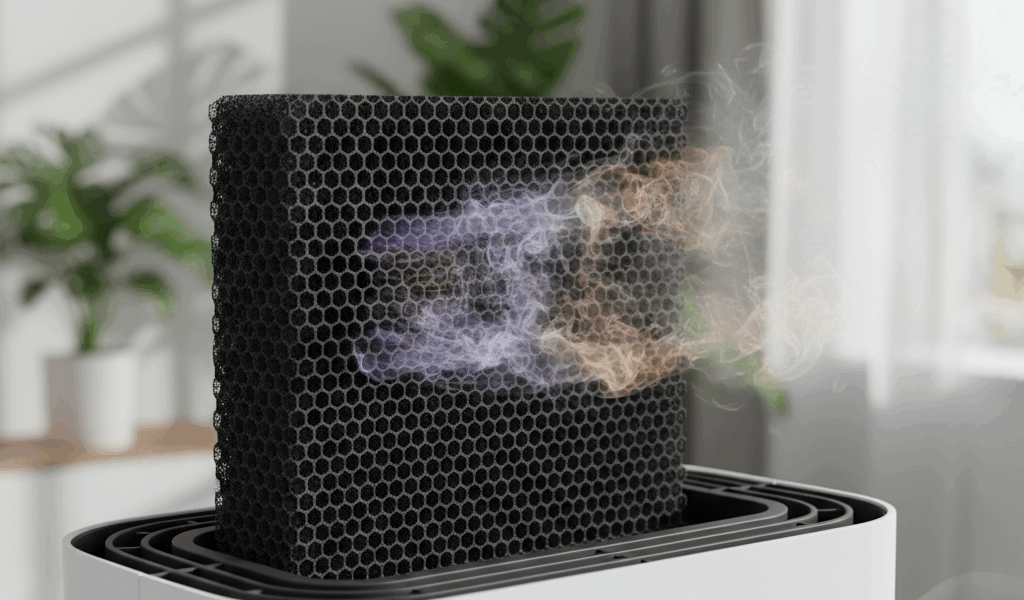
A good air purifier makes a real difference. Look for one with a HEPA filter that removes 99.97% of particles at 0.3 microns. Some purifiers add activated carbon filters to capture VOCs and other harmful gases from smoke.
- Place purifiers in rooms where you spend the most time — bedroom and living room especially
- Run them continuously during poor air quality periods
Sealing Your Home

That’s what makes home sealing endearing to us smoke-season veterans — keeping outside air outside. Ensure windows and doors are properly sealed. Use weather stripping around doors and caulk around windows to close gaps. Keep fireplace dampers closed when not in use.
- Use draft stoppers at door bases
- Check for gaps around utility openings like pipes and cables
Creating a Clean Room
Designate one room as your clean room with minimal entry and exit. Close it off from the rest of the house and run an air purifier inside. Seal it well and avoid bringing in items that could introduce pollutants. This becomes your refuge when AQI spikes into hazardous territory.
Using HVAC Systems
If you have an HVAC system, set it to recirculate mode to avoid pulling in outdoor air. Use high-efficiency filters — those with a MERV rating of 13 or higher work best for smoke particles.
- Replace filters more often during wildfire season
- Get your system serviced regularly so it performs when you need it
Minimizing Indoor Pollutants
Indoor activities can add to pollution you’re trying to avoid. Skip indoor smoking, candles, and incense during smoke events. Be cautious with cleaning products that emit fumes. Cooking can introduce pollutants too, so use an exhaust fan or avoid frying and grilling when air quality is already bad.
- Use exhaust fans in kitchen and bathroom to remove pollutants
- Store chemicals properly to prevent fume leakage
Staying Hydrated
Hydration helps your body’s natural defenses work better. Drink plenty of water to keep your respiratory system functioning well. This helps your body deal with inhaled smoke particles more efficiently.
Using Respiratory Protection
For those especially sensitive to poor air, respiratory protection helps. N95 respirator masks filter out particulate matter, but they must fit correctly to work. Note that not everyone should use masks, especially those with certain preexisting health conditions.
Managing Outdoor Activities
Limit outdoor activities when AQI is high. Exercise indoors or keep outdoor efforts minimal when necessary. If you need to go outside, try early morning when air quality tends to be relatively better before afternoon winds kick up particles.
Staying Informed
Stay updated with local news and air quality reports. Many stations provide information on changing conditions and alerts. Sign up for mobile alerts from air quality monitoring agencies for real-time updates on your phone.
Following these steps significantly reduces wildfire smoke impact on your indoor air quality. Taking proactive measures protects your health and keeps your living environment as clean as possible during the worst of fire season.



Stay in the loop
Get the latest northwestcleanair.com updates delivered to your inbox.