
Indoor air quality in the Pacific Northwest has gotten complicated with all the conflicting advice flying around. As someone who’s lived through every smoky summer since 2017 and tested more filtration setups than I’d like to admit, I learned everything there is to know about keeping indoor air breathable. Today, I’ll share it all with you.
We get these wild swings here — AQI in the single digits on gorgeous summer mornings, then 500+ when California or BC decides to burn. Knowing how to handle both extremes is kind of a survival skill at this point.
Why Our Air Quality Problems Are Different
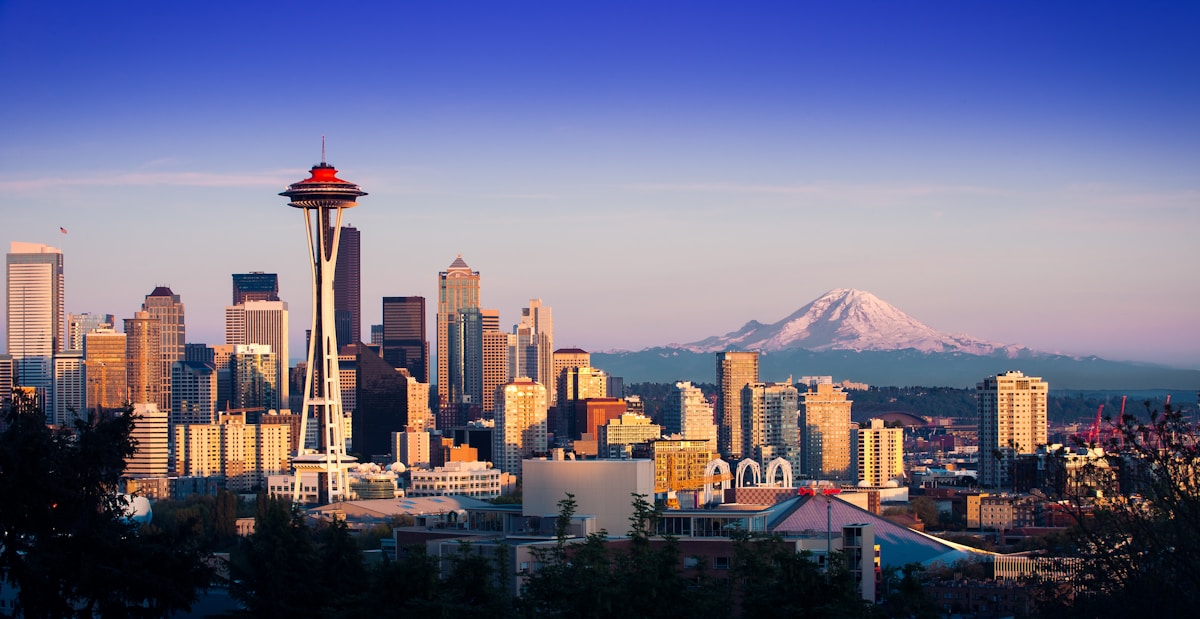
That’s what makes PNW air quality endearing to us locals — we live in a geographic bowl. The Cascades on one side, Olympics on the other, Puget Sound in the middle. When temperature inversions hit, all that trapped air just… sits there. The maritime moisture makes particles behave weird too.
How the Seasons Play Out
Winter means wood smoke, especially in Tacoma and South King County where wood stoves never went out of fashion. Cold still mornings trap vehicle emissions right at ground level — that temperature inversion thing again.
Summer used to be our golden time. Clean air, mountains visible, the whole postcard vibe. Climate change wrecked that arrangement. Now we get smoke from BC, Eastern Washington, Oregon, California — basically any direction — from July through October most years.

What’s Actually in the Air
Helps to know what you’re fighting:
- Wildfire smoke: Tiny PM2.5 particles that get into your lungs and even your bloodstream — the scary stuff
- Vehicle exhaust: Nitrogen dioxide and ultrafine particles clustered near busy roads
- Wood smoke: Seasonal spikes from heating, especially bad in valleys where it pools
- Industrial emissions: Boeing, the ports, various manufacturing — depends on where you live
- Pollen: Trees hit hard February through May, then grass takes over through July
Building Your Defense in Layers
Probably should have led with this section, honestly. One solution doesn’t cut it. You need layers that work together, adjustable for whatever the season throws at you.
Layer 1: Stop Outdoor Air From Getting In
Your house leaks more than you think, especially if it’s an older Seattle craftsman or a mid-century rambler. Sealing those leaks is your first line of defense.
Hit these spots first:
- Window frames and sashes — weatherstripping and caulk
- Door sweeps and thresholds — cheap fix, big impact
- Electrical outlets on exterior walls — foam gaskets cost pennies
- Recessed lights that open into the attic
- Any pipe or wire penetration through walls

Layer 2: Upgrade Your Furnace Filter
Got forced-air heating? Most houses around here do. Upgrading that filter gives you whole-house coverage, but you need to understand the tradeoffs.
MERV ratings in plain English:
- MERV 8: Basic — gets dust and pollen
- MERV 11: Better — catches mold spores and pet dander too
- MERV 13: Smoke protection starts here
- MERV 16: Hospital territory — probably too much for your furnace
Here’s the catch: better filtration means more airflow resistance. Before slapping in a MERV 13+, make sure your system can handle it. Older furnaces often can’t — you end up with damaged equipment or barely any air moving. Check with an HVAC tech if you’re not sure.
Layer 3: Portable Air Purifiers
These handle the spaces where you spend actual time. During smoke events, they’re non-negotiable even if your furnace filter is solid.
How to size them right:
- Measure your room’s square footage
- Find the CADR rating — you need at least 2/3 of that square footage number
- Example: 300 square foot bedroom needs 200+ CADR minimum
For smoke specifically, get units with both HEPA and activated carbon. HEPA grabs particles, carbon absorbs the gases and that acrid smoke smell.
Different Rooms Need Different Approaches
Not every space matters equally. Prioritize where you actually spend time and where pollution gets generated.
Bedrooms
Six to eight hours daily, unconscious, breathing deeply. Bedroom air quality affects you more than any other room. Run a purifier continuously on low, crank it up when smoke arrives. Keep the door closed while it’s running so you’re not trying to clean the whole house.
Kitchens
Cooking throws off serious pollution. Gas stoves generate nitrogen dioxide; all cooking makes particles and VOCs. Use that range hood every single time — but only if it vents outside. Those recirculating ones just blow stuff around. Crack a window afterward if outdoor air is decent.
Home Offices
Hours spent in one spot justifies dedicated filtration. Laser printers pump out ultrafine particles — keep them in another room if you can. Also watch CO2 levels; bad ventilation makes you foggy and tired without obvious symptoms.
Garages
Attached garages are sneaky pollution factories. Car exhaust, lawnmower fumes, stored chemicals — all that migrates into your living space. Seal the connecting door well, and never idle a vehicle in an attached garage. Ever.
Measuring What’s Actually Happening
Guessing at air quality is like guessing your blood pressure — technically possible, practically useless. Get a monitor.
What Worth Tracking
- PM2.5: The critical number during smoke events
- CO2: Shows ventilation quality — keep it under 1000 ppm
- VOCs: Volatile stuff from cleaning products, new furniture, paint
- Humidity: 30-50% keeps mold down without dust mites going crazy

Monitor Recommendations
Awair Element or Purple Air Indoor work great for PM2.5 and VOCs, run $150-300. On a budget, the Temtop M10 gives you PM2.5 readings for around $70.
When to Do What
Set yourself some action thresholds:
| PM2.5 Level | Outdoor AQI | What to Do |
|---|---|---|
| 0-12 μg/m³ | Good (0-50) | Business as usual, open windows if you want |
| 12-35 μg/m³ | Moderate (51-100) | Purifiers on low, minimize ventilation |
| 35-55 μg/m³ | USG (101-150) | Purifiers on high, seal up, stay inside mostly |
| 55+ μg/m³ | Unhealthy (151+) | Full lockdown mode, maximum filtration |
Wildfire Season Game Plan
Smoke events need you to shift from cruising to emergency mode. Being ready beforehand makes the difference between comfort and misery.
Get Ready in May-June
- Put fresh MERV 13 filters in the furnace
- Buy 2-3 extra filters now — stores run out during events
- Test your portable purifiers, replace HEPA filters if they’re tired
- Check all your exterior doors and windows for gaps
- Clean out dryer vents and other exhaust points
When Smoke Actually Hits
AQI goes over 100? Time for:
- Close every window and exterior door
- Switch HVAC to recirculate if your system has that, otherwise run it continuously
- Fire up purifiers in every room you’re using
- Skip the heavy cooking — no need to add more particles
- Designate one bedroom as your “clean room” with the best purifier and a sealed door
After the Smoke Clears
Wait until AQI stays below 50 for at least 24 hours, then:
- Open up and air the place out thoroughly
- Run the HVAC fan continuously for a few hours
- Vacuum everything soft — HEPA vacuum if you have one
- Wash bedding and curtains
- Replace filters if they got worked hard
Renter Reality Check
Apartment dwellers can’t rip out HVAC or seal up the building envelope permanently. Work with what you control.
What You Can Actually Do
- Portable HEPA purifiers become your main weapon
- Temporary window plastic kits seal things up without permanent changes
- Door draft stoppers create clean zones between rooms
- Wet towels jammed under doors during smoke events — crude but effective
- Ask your landlord about better HVAC filters — many will say yes
Legal Leverage
Washington’s implied warranty of habitability means landlords have to keep places livable. During bad smoke events, document the conditions and request they do something. Some cities are starting to include air quality in habitability standards explicitly.
Bigger Investments for Homeowners
If you own and plan to stay, certain upgrades keep paying back.
ERV/HRV Systems
Energy or Heat Recovery Ventilators bring in fresh air while filtering particles and recovering heating/cooling energy. Runs $2,000-5,000 installed. Solves the annoying tradeoff between “seal everything” and “need fresh air somehow.”
Whole-House Filtration
Media air cleaners mount in the HVAC system and accept thick filters — 4-5 inches deep — with way lower airflow restriction than 1-inch filters. AprilAire 2410 and Honeywell F100 are solid options.
Professional Assessment
A BPI-certified contractor can assess your specific home — find the leaks, check combustion safety, identify ventilation problems. Usually runs $300-500 for the full workup. Worth it if you’re serious about fixing things properly.

Bottom Line
Healthy indoor air in the Pacific Northwest means understanding what makes our region weird and building defenses in layers. Start with good HVAC filtration and a bedroom purifier, then expand based on your situation and budget.
The payoff shows up in fewer allergy symptoms, better sleep, healthier lungs, and not panicking when smoke rolls in. Climate change keeps making fire seasons longer and smokier. These strategies aren’t optional extras anymore for anyone living around Puget Sound — they’re basic home infrastructure.



Stay in the loop
Get the latest northwestcleanair.com updates delivered to your inbox.