
Indoor air quality has gotten complicated with all the conflicting information flying around online. As someone who’s spent years dealing with Pacific Northwest conditions — the smoke, the mold potential, the pollen seasons — I learned everything there is to know about keeping indoor air actually breathable. Today, I’ll share it all with you.
What’s Actually Floating Around in There
Probably should have led with this section, honestly. You can’t fix what you don’t understand. The EPA breaks indoor pollutants into categories, and most Northwest homes deal with several at once.
Particulate Matter (PM2.5 and PM10)
PM2.5 particles are the nasty ones — 2.5 micrometers or smaller, about 30 times smaller than a hair. Small enough to get deep into your lungs and even cross into your bloodstream. Wildfire smoke is almost entirely PM2.5, which is why it causes so many health problems.
Living in the Pacific Northwest means watching PM2.5 spike dramatically when fires burn anywhere within a thousand miles. Smoke infiltrates through every gap in your doors, windows, and building envelope. Homes nowhere near actual flames end up with unhealthy indoor air.
PM10 particles are bigger but still problematic — dust, pollen, mold spores. Our climate grows plenty of all three.
Volatile Organic Compounds (VOCs)
VOCs are gases that off-gas from paint, cleaning products, furniture, flooring, basically anything manufactured. New houses and fresh renovations have the highest levels since everything is still actively off-gassing.
The usual suspects: formaldehyde from pressed wood products, benzene from plastics and synthetic fabrics, toluene from adhesives and paint thinners. Long-term exposure causes headaches, respiratory problems, and worse. Most people have no idea their “new house smell” is actually a cocktail of VOCs.
Carbon Dioxide and Carbon Monoxide
CO2 isn’t dangerous at normal levels, but elevated readings tell you the space isn’t getting enough fresh air. Studies show cognitive function drops when CO2 climbs above 1000 ppm. You get foggy and tired without any obvious cause.
Carbon monoxide is the scary one — odorless, colorless, potentially lethal. Gas appliances, attached garages, and wood stoves are common sources. Every home needs working CO detectors, period.
Biological Contaminants
That’s what makes the Pacific Northwest endearing to us locals — we get mold. Our wet climate creates perfect conditions for mold and mildew, which release spores that trigger allergies and respiratory issues in a lot of people.
Dust mites love our humidity too. Pet dander affects millions. Even pollen rides in on your clothes and through windows. Biology never stops trying to get inside.
Actually Measuring What’s Going On
Guessing at air quality is pointless. Thankfully decent monitors have gotten cheap enough for regular people to use.
Consumer Air Quality Monitors
Devices from Awair, Purple Air, and IQAir give you real-time PM2.5, VOC, CO2, temperature, and humidity readings. They’ve improved a lot in the past few years.
For most homes, a monitor tracking PM2.5, CO2, and VOCs tells you enough to act on. Put monitors in living spaces and bedrooms — the rooms where you spend the most time and breathe the most air.
Professional Testing
For specific concerns like radon, hidden mold, or formaldehyde, pro testing gives more accurate results. Radon testing matters especially here since local geology creates elevated radon risk in many areas.
Professional mold testing finds moisture problems before you see visible damage. If you smell musty odors or had any water intrusion, it’s worth the money.
Filtration That Actually Works
Good filtration is the backbone of indoor air quality. Understanding your options helps you spend money wisely.
HVAC Filters
That furnace filter is your first defense against airborne particles. Filter efficiency uses the MERV rating system.
MERV 8 catches dust, pollen, and mold spores but lets smaller stuff through. MERV 13 catches smoke particles, bacteria, and some viruses. MERV 16 and up is hospital-grade and might restrict airflow too much for residential systems.
MERV 13 hits the sweet spot for most Pacific Northwest homes — good filtration without choking your furnace. But check with your HVAC manufacturer first. Some systems genuinely can’t handle the pressure drop from higher MERV filters.
Swap filters monthly during wildfire season, every 90 days otherwise. A clogged filter hurts both air quality and energy efficiency.
Portable Air Purifiers
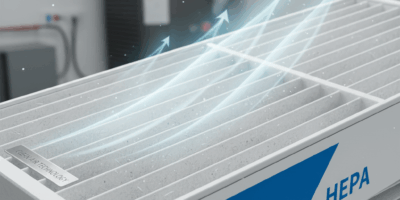
Portable HEPA purifiers give you focused filtration for specific rooms. True HEPA filters trap 99.97% of particles down to 0.3 micrometers — the hardest size to catch, actually.
When shopping, check the CADR (Clean Air Delivery Rate) for your room size. The purifier should cycle the room’s air at least 4-5 times per hour to actually clean effectively.
For bedrooms, quiet operation matters. Look for sleep modes that dial back fan noise while still filtering. Keep purifiers away from walls and furniture so air flows properly.
Activated Carbon Filtration
HEPA handles particles great but does nothing for gases like VOCs or smoke odors. Activated carbon absorbs those through chemical binding.
The best purifiers combine HEPA and activated carbon. If you have smokers, heavy cooking smells, or new construction off-gassing, carbon becomes essential — not optional.
Ventilation Basics
Filtering isn’t enough on its own. You need fresh outdoor air replacing stale indoor air. The trick in the Pacific Northwest is balancing ventilation with outdoor air quality concerns.
Natural Ventilation
Opening windows is the simplest approach. When outdoor air quality is good, cross-ventilation exchanges air efficiently.
But you can’t just leave windows open during wildfire season or high pollen days. Check outdoor AQI readings before ventilating. Bad air days mean keeping everything sealed.
Mechanical Ventilation
Modern energy-efficient homes are built tight, which saves on heating but creates air quality challenges. Mechanical ventilation provides fresh air without the energy hit of opening windows.
Heat Recovery Ventilators (HRVs) and Energy Recovery Ventilators (ERVs) swap indoor air for outdoor air while recovering heating or cooling energy. They’re becoming standard in Pacific Northwest new construction for good reason.
Exhaust Ventilation
Kitchen and bathroom exhaust fans remove moisture and pollutants right at the source. Always run them when cooking or showering, and make sure they actually vent outside — not just into the attic.
Range hoods should move at least 100 CFM for gas stoves, more for powerful burners. Many codes now require 400+ CFM for professional-style ranges.
Humidity Control
Our humid climate makes moisture control critical. Too wet and too dry both cause problems.
The Sweet Spot
Relative humidity between 30-50% is ideal. Below 30%, you get dry skin, respiratory irritation, and static electricity. Above 50%, mold and dust mites flourish.
Dehumidification
Most Pacific Northwest homes need dehumidification, particularly basements and bathrooms. Portable units handle individual rooms; whole-house dehumidifiers integrate with your HVAC for comprehensive control.
Empty portable unit tanks regularly, or hook them up to a floor drain. Standing water in collection tanks becomes its own mold source if you ignore it.
Winter Humidification
Heated air during winter can drop below healthy humidity levels. If dry skin or respiratory irritation plague you during heating season, a humidifier helps.
Evaporative humidifiers are safest because they can’t over-humidify. Ultrasonic types need distilled water to avoid spraying mineral dust everywhere.
Stop Pollutants at the Source
The most effective approach addresses pollutants before they spread rather than filtering them after the fact.
Low-VOC Products
When painting, renovating, or buying furniture, look for low-VOC or zero-VOC options. Many manufacturers now make products specifically designed to minimize off-gassing.
Let new furniture and building materials off-gas outside or in well-ventilated areas before moving them into living spaces.
Combustion Appliance Maintenance
Gas furnaces, water heaters, and fireplaces need proper maintenance and venting to keep combustion byproducts out of living spaces. Annual inspections catch issues before they become health hazards.
Moisture Management
Fix water leaks immediately. Make sure drainage around your foundation works properly. Crawl spaces should be properly encapsulated to stop moisture from migrating up into living areas.
A Practical Action Plan
You don’t have to fix everything at once. Start with high-impact, low-cost improvements and build from there.
Phase 1: Assessment and Quick Wins
Get a monitor to see what you’re dealing with, then address obvious issues. Replace HVAC filters, fix any leaks, make sure exhaust fans work. These cheap steps often make a surprising difference.
Phase 2: Filtration Upgrades
If monitoring shows elevated particles, upgrade your HVAC filter or add portable HEPA purifiers. Start with bedrooms — you spend a lot of time sleeping, and air quality directly affects sleep quality.
Phase 3: Ventilation Improvements
Persistent CO2 or VOC issues mean ventilation needs work. That might mean adding exhaust fans, improving ductwork, or installing a whole-house ventilation system.
Phase 4: Source Remediation
Tackle underlying issues like mold remediation, radon mitigation, or professional duct cleaning as needed. Higher cost, but lasting improvements when simpler fixes aren’t enough.
Bottom Line
Good indoor air quality requires understanding what’s affecting your specific home and implementing strategies that actually address those issues. The Pacific Northwest’s climate and seasonal challenges — especially wildfire smoke and mold potential — make this more important here than in most places.
Start with assessment. Focus on high-impact improvements first. Build your air quality strategy over time. Your lungs will notice the difference, even if you didn’t realize they were struggling before.


Stay in the loop
Get the latest northwestcleanair.com updates delivered to your inbox.