PM2.5: The Tiny Particles That Do Real Damage

PM2.5 refers to particles smaller than 2.5 micrometers—tiny enough to slip past your body’s defenses, penetrate deep into lung tissue, and even enter your bloodstream. Vehicle exhaust, industrial emissions, and wildfire smoke all pump these particles into the air.
Why This Matters for Your Health
Short-term exposure irritates airways and makes breathing harder. Long-term exposure correlates with heart disease, lung cancer, and stroke. Kids, older adults, and people with existing respiratory or heart conditions face the highest risks.
Cutting Your Exposure

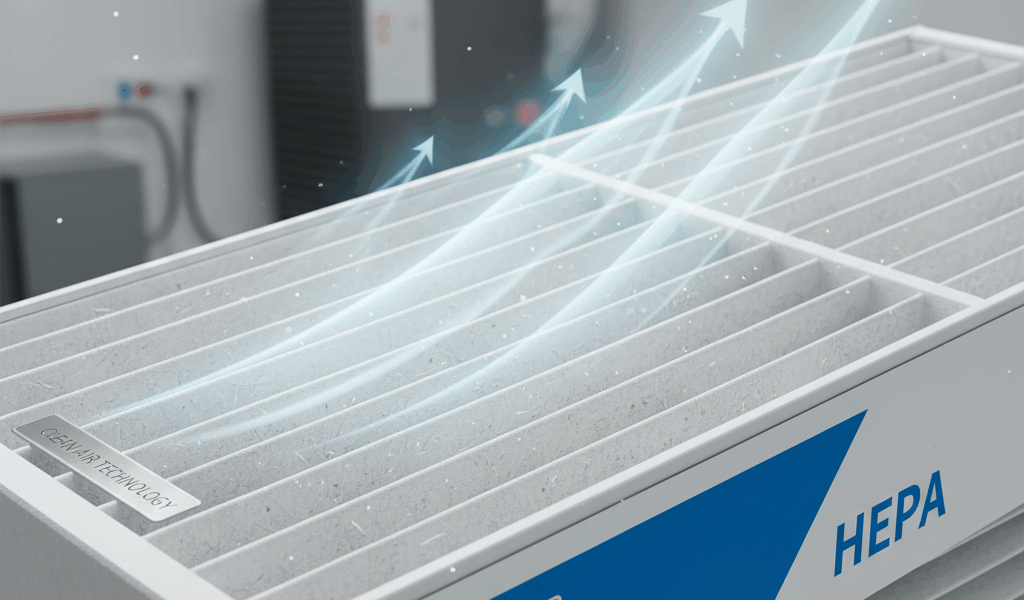
HEPA filters capture PM2.5 from indoor air effectively. Skip outdoor exercise when levels spike. N95 respirators provide real protection when you can’t avoid exposure. Keep car windows up in heavy traffic.
Knowing When It’s Bad
Personal air quality monitors track PM2.5 in real time. AirNow reports PM2.5 readings separately from overall AQI. Some smart home devices include air quality sensors. Check readings regularly during wildfire season—conditions can change fast.




Stay in the loop
Get the latest northwestcleanair.com updates delivered to your inbox.