
Vital Air Quality Monitoring in NW: Cleaner Future Ahead
Air quality monitoring in the Northwest is crucial for tracking daily and long-term pollutant trends. Seasonal factors like wildfires and winter wood smoke impact public health and policies.
Pacific Northwest air quality news, HVAC tips, and indoor air purification guides
Air quality monitoring in the Northwest is crucial for tracking daily and long-term pollutant trends. Seasonal factors like wildfires and winter wood smoke impact public health and policies.
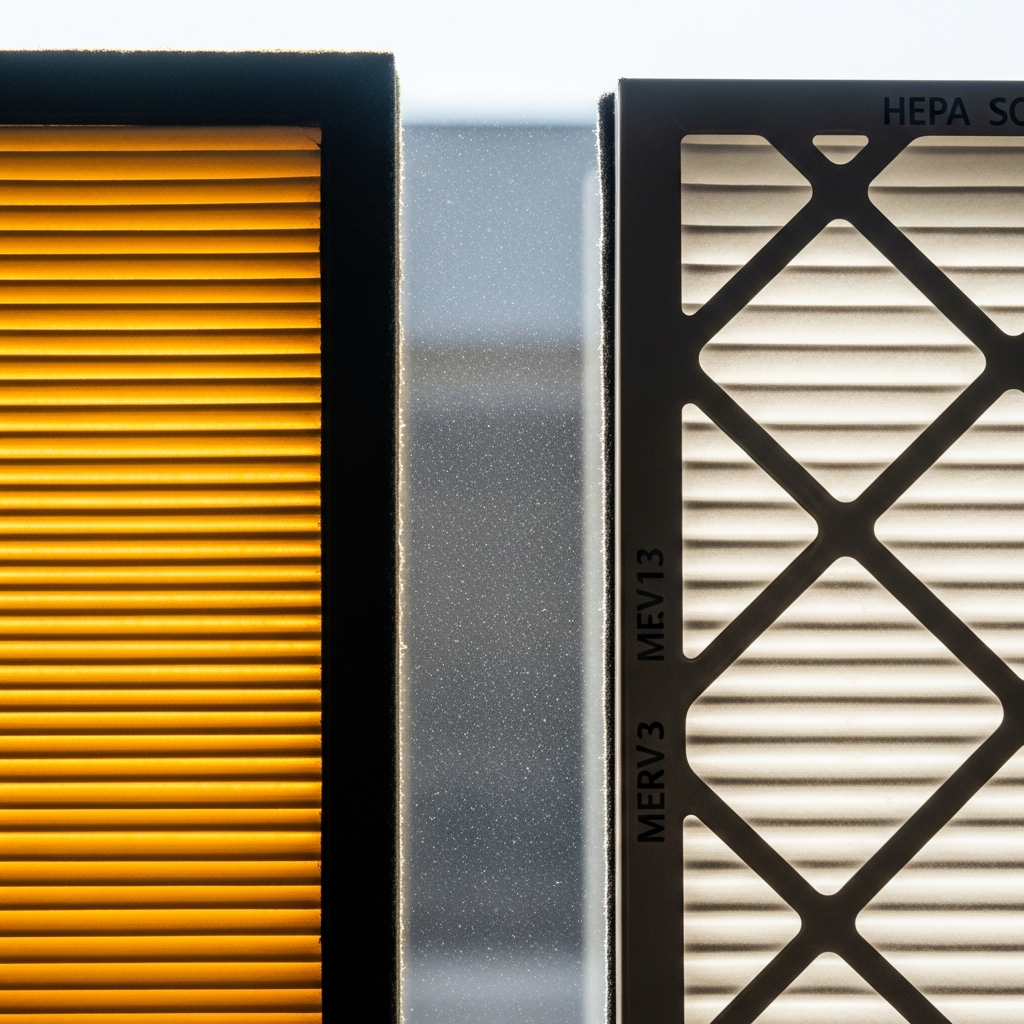
Discover the best air purifiers for Northwest offices, addressing high humidity, pollen, and mold. Learn why HEPA air purifiers are essential for maintaining a healthy environment.
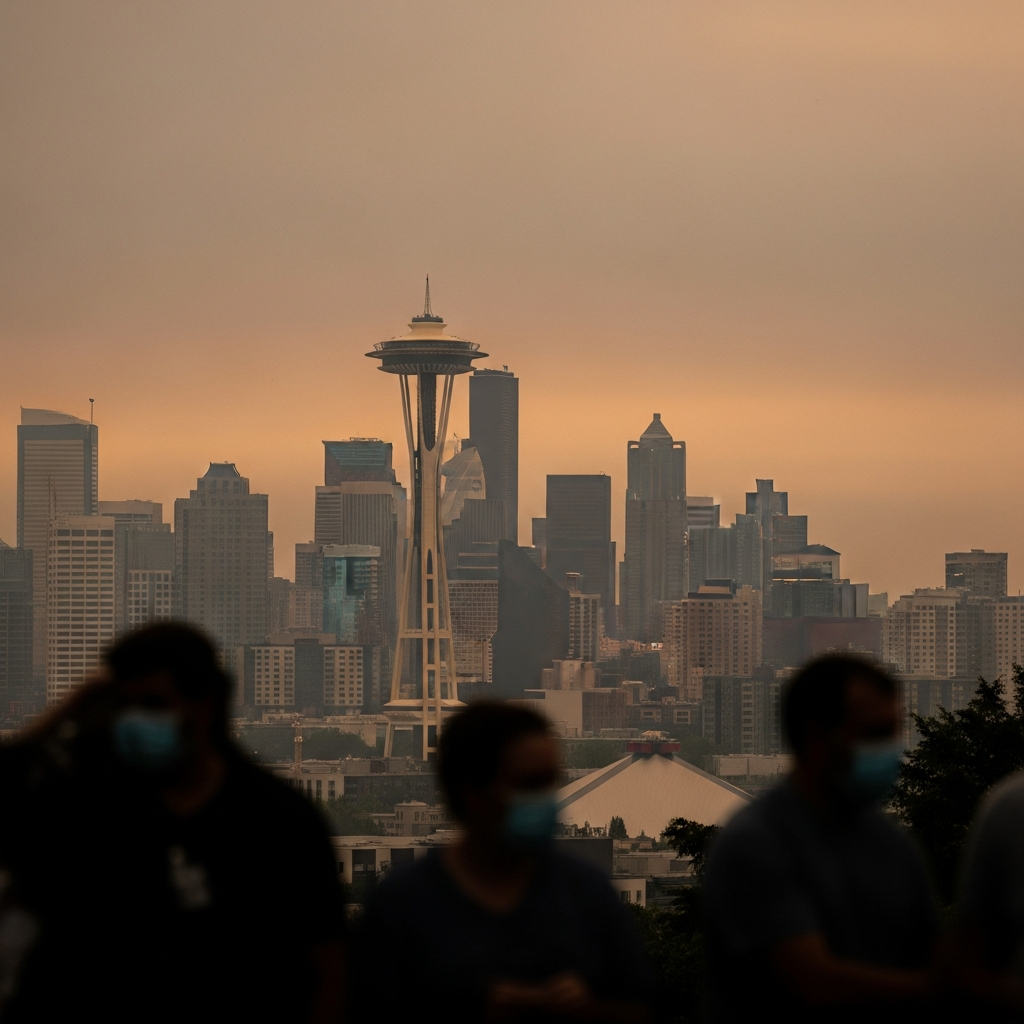
Climate change is worsening air quality in the Northwestern US due to rising temperatures and increased wildfires, impacting public health and the environment.
Discover top air quality solutions for NW businesses facing challenges from industrial activities, vehicle emissions, and wildfire smoke. Effective measures include regular HVAC maintenance.
Discover effective strategies to improve outdoor air quality in the Northwest, addressing challenges like wildfires, industrial emissions, and high vehicle usage through policy and community efforts.
Air purification is vital in Northwest healthcare facilities to ensure a safe environment for patients, staff, and visitors, maintaining high health standards amid daily influxes.
A clean air action plan is essential for NW communities to combat air quality challenges from industrial activities and traffic, improving public health, environment, and quality of life.
Learn practical strategies to reduce vehicle emissions in the Northwest and improve air quality. Tips include adopting fuel-efficient driving habits and community measures.
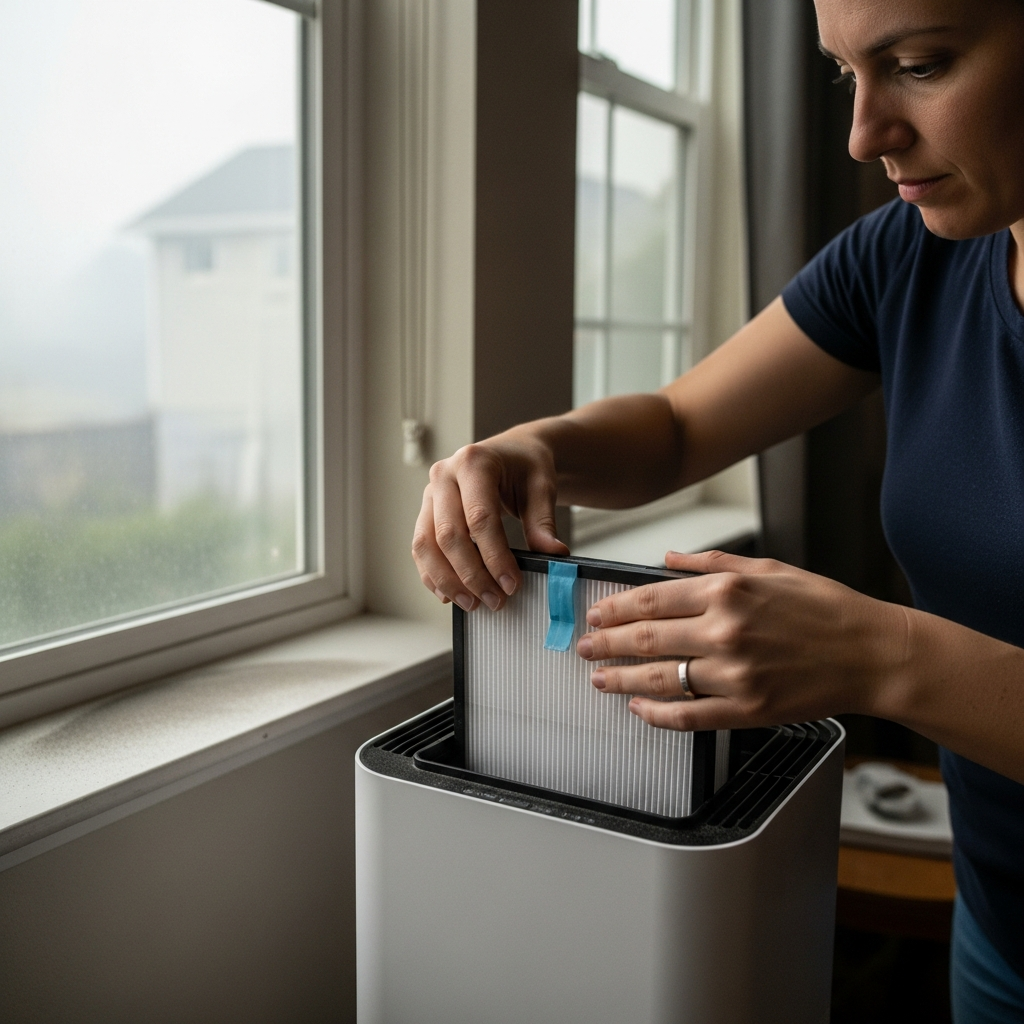
Learn effective ways to reduce indoor air pollution in Northwest homes, where sealed environments can trap dust, mold, chemicals, and allergens, harming air quality.
Transportation in the Northwest significantly impacts air quality, with vehicles like cars, trucks, and buses emitting pollutants such as particulate matter, nitrogen oxides, and carbon monoxide.