
The Role of Government Regulations in NW Air Quality
Air quality regulations in the Northwest have gotten complicated with all the federal laws, state agencies, and local programs overlapping. As someone who’s tracked how these policies actually work in our region, I learned everything there is to know about the relationship between government action and the air we breathe. Today, I will share it all with you.
A Quick History Lesson

Air quality became a national issue in the 20th century when industrial activities started creating serious problems. The 1948 Donora smog in Pennsylvania killed 20 people and made thousands sick. That kind of event got Washington’s attention.
The Laws That Changed Everything
Congress passed the Clean Air Act in 1963 — first federal law targeting air pollution. Then came bigger amendments in 1970, 1977, and 1990. Each round tightened standards and gave regulators more teeth.
The 1970 Amendments
Probably should have led with this section, honestly. The 1970 amendments created the Environmental Protection Agency (EPA) and gave it real authority. They established National Ambient Air Quality Standards (NAAQS) — basically limits on how much pollution can be in the air we breathe. This framework still drives everything we do today.
What Changed in 1990
The 1990 amendments went after acid rain, urban smog, and toxic emissions with new programs and deadlines. These rules hit industrial and vehicle emissions hard in the Northwest. Factories had to install new equipment. Cars had to meet tighter standards.
How Emission Controls Actually Work

Regulations target the big polluters: industrial facilities, power plants, and vehicles.
Factories and Plants
Industrial facilities had to install pollution control technology. Scrubbers remove bad stuff from exhaust streams. Many had to switch to cleaner fuels. The compliance costs were real, but so were the air quality improvements.
Cars and Trucks
Vehicles pump out a lot of pollution, so the EPA developed emission standards. CAFE (Corporate Average Fuel Economy) standards pushed automakers toward better fuel efficiency. Result: lower nitrogen oxides, fewer VOCs in the air. You can actually see the difference when you compare smog levels from the 1970s to now.
Watching and Enforcing
Rules don’t mean much without enforcement. The EPA and state agencies run air quality monitoring networks across the Northwest. Sensors measure pollutant levels constantly. When something exceeds standards, enforcement kicks in.
State and Local Action
Federal rules set the floor, but state and local agencies often go further. The Northwest Clean Air Agency (NWCAA) works alongside the EPA, issuing permits, running inspections, and taking action when facilities violate rules. This layered approach catches more problems.
Real Examples
Portland
Portland dealt with vehicle and industrial pollution for years. The Oregon DEQ launched a Clean Diesel initiative that required retrofits and replacements for diesel engines. It worked. Air quality improved noticeably.
Seattle
That’s what makes air quality endearing to us Seattle folks — the city attacked the problem from multiple angles. Washington’s Department of Ecology set tough limits on industrial emissions. Seattle invested in public transit and bike infrastructure to cut vehicle pollution. Both strategies contributed to cleaner air.
What’s Still Hard
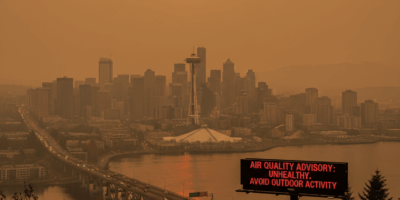
Progress happened, but new challenges keep emerging. Fine particulate matter (PM2.5) and ground-level ozone cause health problems at lower levels than older pollutants. Climate change makes things worse by increasing wildfire frequency and intensity.
Future regulations will need to tackle these issues. Better technology, smarter policy, continuous monitoring, and public engagement all matter. International cooperation helps too, since air doesn’t respect borders. The work isn’t done, but the framework exists to keep improving.

Stay in the loop
Get the latest northwestcleanair.com updates delivered to your inbox.