
How to Cut Vehicle Emissions in the Pacific Northwest
Reducing vehicle emissions has gotten complicated with all the technology options and policy debates flying around. As someone who’s tracked Northwest transportation emissions for years, I learned everything there is to know about what actually moves the needle. Today, I will share it all with you.
Transportation accounts for a huge chunk of the pollution that degrades Northwest air quality. The good news: practical solutions exist at every level, from individual driving habits to regional infrastructure investments.
Drive Smarter

The simplest changes cost nothing. Accelerate smoothly instead of gunning it at green lights. Maintain steady speeds—cruise control helps on highways. Cut the engine if you’re parked for more than a minute; idling wastes fuel and pumps exhaust into everyone’s air for zero benefit.
These adjustments might seem small, but multiply them across millions of trips and the impact adds up.
Maintain What You’ve Got
A well-maintained vehicle runs cleaner. Oil changes, air filter replacements, tune-ups on schedule—all of it affects emissions. Keep tires properly inflated (it improves fuel efficiency). Use the motor oil your manufacturer recommends. Fix engine problems promptly; that check engine light often signals emission issues.
Take the Bus (Or Train, Or Ferry)

Northwest transit systems are actually decent by American standards. Buses, light rail, commuter trains, ferries—options exist. Every trip you take on transit means one less car on the road. Probably should have led with this section, honestly—public transit delivers the biggest emission reductions per person.
Share Rides
Carpooling with coworkers or neighbors cuts the number of vehicles making the same trip. Rideshare apps connect people heading the same direction. Less cars, less emissions, less traffic, lower costs. That’s what makes ridesharing endearing to us efficiency types—everyone wins.
Consider Your Next Vehicle Carefully
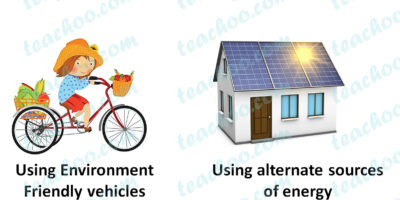
When it’s time to replace your car, fuel economy matters. Hybrids produce fewer emissions than traditional gasoline vehicles. Electric cars produce zero tailpipe emissions (though their overall footprint depends on how your electricity is generated). Government incentives often offset higher purchase prices.
Power Your EV With Clean Energy
Electric vehicles only deliver maximum benefit when charged with renewable energy. Support local solar and wind initiatives. Consider home solar panels. When the grid runs on clean energy, EVs become truly zero-emission transportation.
Advocate for Better Policy
Individual choices matter, but policy changes move the whole system. Support legislation that improves public transit, promotes renewable energy, and sets stricter emission standards. Show up at public meetings. Contact local representatives. Political engagement drives systemic change.
Navigate Efficiently
Modern GPS apps help you avoid traffic and minimize time spent idling. Real-time routing saves fuel by keeping you moving instead of sitting in congestion. Less time in traffic means less emissions per trip.
Drive Less Overall
Walking and biking produce zero emissions. Many Northwest cities have invested in bike lanes and pedestrian infrastructure. Combining errands into single trips reduces the total number of drives. Working remotely when possible eliminates commute emissions entirely.
Join Local Programs
Many communities offer incentives for emission reduction—carpool parking, transit subsidies, EV rebates. Take advantage of what’s available. These programs exist because they work.
Watch for New Technology
Vehicle technology keeps improving. Hydrogen fuel cells, better batteries, more efficient engines—innovation continues. Staying informed helps you make better choices when opportunities arise. The solutions available five years from now will exceed what’s possible today.
Reducing vehicle emissions requires action at multiple levels. Personal choices add up. Community programs amplify individual efforts. Policy changes reshape the system. All of it contributes to cleaner air for everyone in the Northwest.



Stay in the loop
Get the latest northwestcleanair.com updates delivered to your inbox.