Getting healthier indoor air has gotten complicated with all the products and advice flying around. As someone who’s tested various approaches in Pacific Northwest homes — from simple changes to serious equipment investments — I learned everything there is to know about what actually improves the air you breathe. Today, I’ll share it all with you.
Practical Steps That Actually Work
Keep It Clean
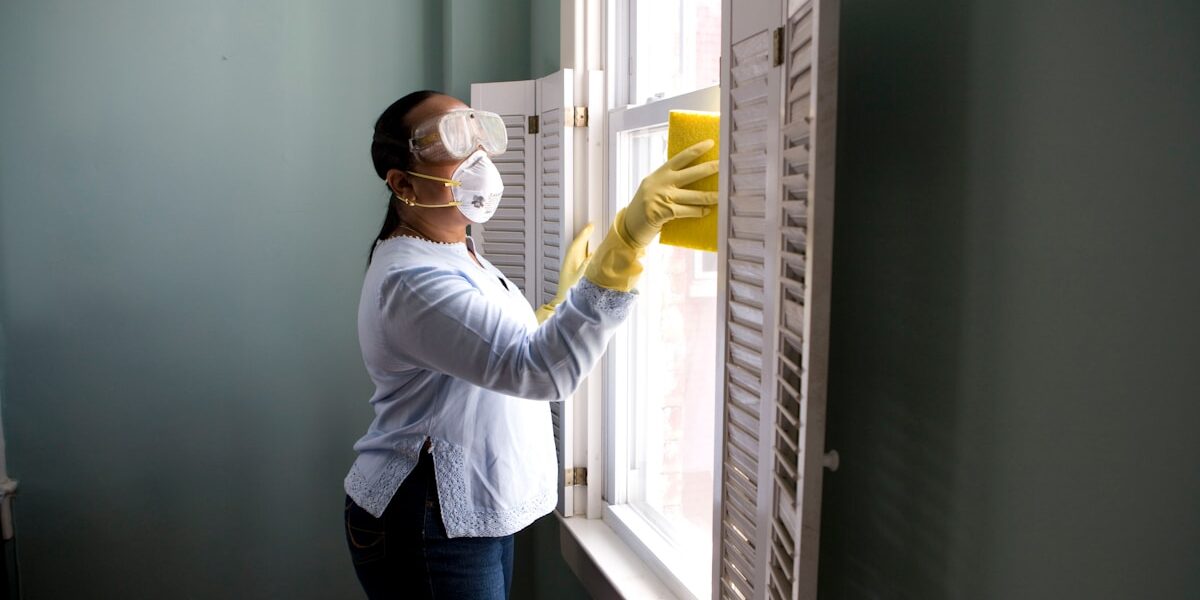
Probably should have led with this section, honestly. Regular cleaning removes the dust and allergens that accumulate on surfaces and eventually become airborne. Vacuum with a HEPA filter (regular vacuums just redistribute particles). Wash bedding in hot water weekly. Damp-dust surfaces instead of dry-dusting, which just pushes particles around.
Strategic Houseplants
That’s what makes indoor plants endearing to us air quality enthusiasts — certain species actually filter specific pollutants. Spider plants, snake plants, and peace lilies have research backing their air-purifying capabilities. They’re not substitutes for mechanical filtration during smoke season, but they contribute to baseline air quality year-round.
Ventilation Management
Fresh outdoor air improves indoor air quality — when outdoor conditions are good. In the Pacific Northwest, that means taking advantage of clean air days by opening windows for cross-ventilation. But when wildfire smoke or high pollen counts hit, seal up and rely on filtration instead.
The Bigger Picture
Indoor air quality isn’t about any single solution. Combine regular cleaning, strategic plants, smart ventilation timing, and mechanical filtration (air purifiers, good HVAC filters) for comprehensive improvement. Your respiratory system will notice the difference.



Stay in the loop
Get the latest northwestcleanair.com updates delivered to your inbox.